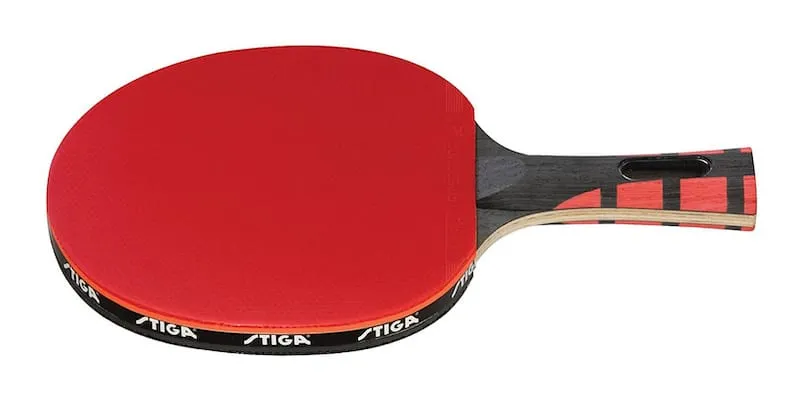
Walking into a store — or scrolling Amazon — as a new player is confusing. Some paddles promise pro-level speed. Others cost less than lunch and feel like plywood with sandpaper. Neither extreme helps you learn.
Fortunately, beginners do not need custom blades and $80 rubbers on day one. You need a pre-assembled racket that prioritizes control, gives honest feedback, and leaves room to grow.
In this guide, I’ll cover what matters for first paddles, then recommend the best ping pong paddles for beginners in 2026. When you’re ready for a wider shortlist across all levels, use our best ping pong paddles pillar guide. Buying fundamentals also live in buying the right racket and how to choose a blade.
What We Looked For
Beginner gear fails in predictable ways. We filtered for:
- Control first — forgiveness on mishits beats empty speed ratings
- All-wood feel — usually clearer feedback than stiff carbon for new players
- Decent inverted rubbers — not sandpaper recreation toys
- Flared shakehand handle — the default grip for most learners
- Fair price — enough quality to last months, not a disposable bat
- Clear upgrade path — you should not feel stuck after your first club night
I would rather you buy a calm paddle and learn spin than fight a carbon rocket from week one.
Quick Picks
| Paddle | Best for | Buy |
|---|---|---|
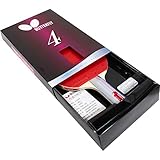 Butterfly 401 Butterfly 401 | Best overall beginner paddle | View on Amazon |
 Killerspin JET 200 Killerspin JET 200 | Best absolute first racket | View on Amazon |
 STIGA Evolution STIGA Evolution | Best control-to-speed step-up | View on Amazon |
 Palio Expert 2 Palio Expert 2 | Best spin-focused improver | View on Amazon |
 JOOLA Infinity Balance JOOLA Infinity Balance | Best value once basics click | View on Amazon |
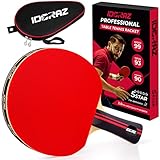 Idoraz pre-assembled Idoraz pre-assembled | Best budget online option | View on Amazon |
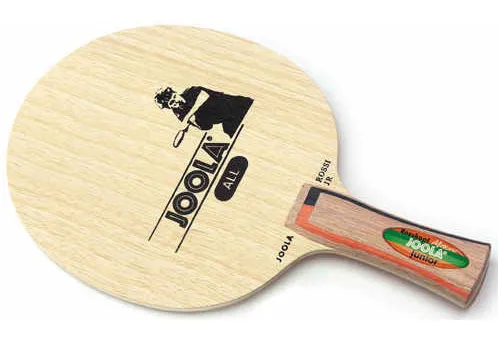 JOOLA Rossi Jr JOOLA Rossi Jr | Best for younger kids | View on Megaspin |
Best Ping Pong Paddles for Beginners
#1. Butterfly 401 — Best Overall Beginner Paddle

Butterfly’s 401 is the beginner racket I recommend most often when someone wants a trusted brand without jumping to intermediate speed.
Features / Specifications
- Pre-assembled recreational / entry racket
- Balanced speed–spin–control profile
- Often sold with a basic case
- Flared handle for shakehand
Pros
- Credible brand for parts and reputation
- Enough performance to learn serves and loops
- Does not punish early mistakes as hard as fast carbon bats
- Good “first serious paddle” status among coaches and clubs
Cons
- Costs more than no-name beginners bats
- You will outgrow it if you train hard for a year-plus
Who it suits: Adults and teens starting properly, not just garage tapping.
Verdict: If you want one clear answer, start here. It is the best ping pong paddle for beginners in most real-world cases.
#2. Killerspin JET 200 — Best Absolute First Racket

The JET 200 is slower and more forgiving. That is a feature when you are still finding the ball.
Features / Specifications
- 5-ply all-wood blade feel
- Recreational rubbers focused on control
- Flared handle
- Entry point in the Killerspin JET line
Pros
- Excellent for learning basic strokes
- Friendly price
- Easy recommendation for true first-timers
Cons
- Limited speed and spin ceiling
- Rubbers typically not aimed at tournament approval
- Players improve past it relatively quickly
Who it suits: Complete beginners, family drawers, gift bats that will actually get used.
Verdict: I’d choose the JET 200 when the player has never owned a real racket. Move up once rallies last longer than three balls.
#3. STIGA Evolution — Best Control-to-Speed Bridge

The Evolution sits in a useful middle: still manageable for newer players, but livelier once your timing improves.
Pros
- Strong control-to-speed ratio
- Familiar STIGA build quality
- Helps players who have outgrown toy paddles but are not ready for carbon
Cons
- Slightly less “pure beginner soft” than a JET 200
- Not a long-term advanced setup
Who it suits: Beginners with a few months of play, or athletic newcomers who adapt quickly.
Verdict: A smart second paddle — or a first paddle if you already play other racket sports.
More detail: our STIGA Evolution review.
#4. Palio Expert 2 — Best Spin-Focused Improver

Palio’s Expert 2 uses tackier rubber that teaches spin earlier. It is still pre-assembled, which keeps life simple.
Pros
- CJ8000-style tacky rubber helps you feel spin
- Controlled speed suitable for developing players
- Excellent bridge toward custom rubber setups later
Cons
- Tacky rubber needs cleaner habits (keep it clean)
- Can feel different from Western-style recreational bats
Who it suits: Motivated beginners who want to learn looping and heavy serves sooner.
Verdict: I wouldn’t hand this to someone on day one of ever holding a paddle — but it is outstanding once basic contact is reliable.
View on Amazon · Palio bats guide
#5. JOOLA Infinity Balance — Best Value After the Basics
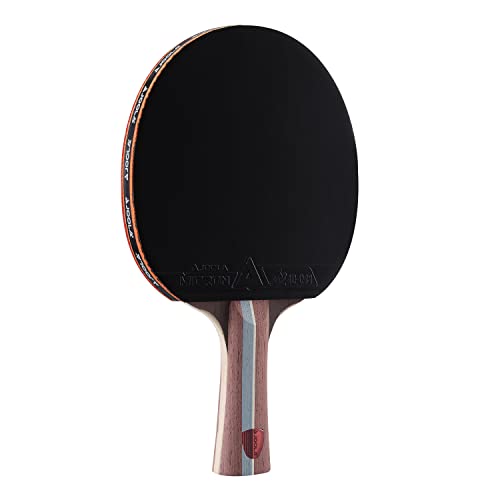
This is where “beginner” starts overlapping “intermediate.” The Infinity Balance is quicker and demands cleaner technique.
Pros
- Excellent feel for the price
- All-wood 7-ply style punch without jumping straight to carbon chaos
- Strong long-term recreational racket
Cons
- Can overwhelm absolute beginners
- Not the most forgiving option on mishits
Who it suits: Players who already rally comfortably and want one upgrade that lasts.
Verdict: Great fourth-month paddle. Risky first-week paddle.
#6. Idoraz Pre-Assembled — Best Budget Online Pick

Budget pre-assembled rackets vary wildly. Idoraz-style bats often give more usable spin and speed than supermarket specials at a similar price.
Pros
- Attractive price
- Decent intro to inverted rubber play
- Fine spare or guest paddle
Cons
- Quality control and longevity are less predictable than Butterfly/STIGA
- Not my first pick if budget stretches to a 401 or JET 200
Who it suits: Tight budgets, backup bats, testing whether the hobby sticks.
#7. JOOLA Rossi Jr — Best for Younger Kids
Kids need lighter rackets and shorter learning sessions — not adult intermediate carbon.
Pros
- Sized and tuned with younger players in mind
- JOOLA brand support
- Better than handing a child a heavy adult bat
Cons
- Adults will find it limiting
- Kids still outgrow youth gear
Who it suits: Children starting organized or serious recreational play.
See also: JOOLA Rossi Jr and table tennis for kids.
How to Choose a Beginner Ping Pong Paddle
Control beats marketing speed numbers
Manufacturers love 90/100 speed ratings. As a beginner, high speed usually means more balls in the net. Choose control and feel first.
Pre-assembled is the right starting format
Custom blade + rubbers is powerful later. On day one it adds cost and decisions you do not need yet. Learn on a good ready-made racket.
Get the grip right
Most beginners should use shakehand. Learn the grip properly — our grip guide helps. Penhold is a valid path, but shakehand matches most coaching resources.
Red and black rubbers
Competition rules require different colors on each side. Even as a beginner, buying a normal red/black racket avoids bad habits if you join a club later.
Plan the upgrade, don’t fear it
A beginner paddle is a tool for learning, not a life sentence. When you’re ready, explore rubber choices in our rubber buying advice and the wider paddles guide.
Skill Ladder: What to Buy as You Improve
A simple progression that works for most recreational players:
- Month 0–3: Butterfly 401 or Killerspin JET 200 — learn contact, footwork basics, and simple serves
- Month 3–9: STIGA Evolution or Palio Expert 2 — add controlled speed and real spin
- Later: JOOLA Infinity Balance or a custom blade/rubber setup once you know whether you play all-round, defensive, or attacking
You do not have to follow this exactly. The point is to stop treating the first paddle as either disposable junk or a forever bat.
Training ideas while that first racket does its job: drills and skills and beginner tips.
Pre-Assembled vs Custom (Beginner Reality Check)
Custom setups win on paper. You choose blade speed, rubber sponge, and tackiness independently. The downside for beginners is decision fatigue and cost.
Stay pre-assembled until you can answer questions like:
- Do I prefer control or speed?
- Am I developing a looping game?
- Do I play mostly short game or from mid-distance?
When those answers are clear, rubber guides such as selection guidelines become useful instead of overwhelming.
Common Mistakes
- Buying the fastest carbon paddle you can afford
- Using sandpaper recreation bats “until you’re good enough”
- Matching a child’s first racket to an adult offensive setup
- Ignoring handle shape until blisters appear
- Expecting Amazon’s cheapest 4-pack to teach real spin
- Upgrading every month instead of practicing with one setup
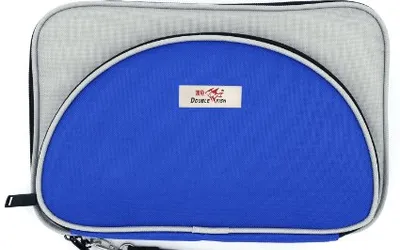
- Skipping a case — throw a paddle loose in a bag and the edges suffer (paddle cases)
Final Thoughts
For most new players, the best ping pong paddle for beginners is a control-first pre-assembled racket — Butterfly 401 as the default, Killerspin JET 200 if you want maximum forgiveness, STIGA Evolution or Palio Expert 2 once you’re clearly improving.
Skip the hype stats. Buy something that helps you make 10-ball rallies. The fancy setup can wait until your strokes deserve it.
Frequently Asked Questions
What is the best ping pong paddle for beginners?
For most new players, a control-oriented pre-assembled racket such as the Butterfly 401 or Killerspin JET 200 is the best starting point. Prioritize feel and forgiveness over raw speed.
Should beginners buy a cheap paddle from a department store?
The very cheapest sand-paper or no-name paddles make learning harder because they kill spin and feel. Spending a bit more on a proper inverted rubber pre-assembled racket is usually worth it.
What is the difference between a paddle and a racket?
They mean the same piece of equipment. "Paddle" is common in the US; "racket" or "bat" is common elsewhere. Table tennis competitive rules use racket language, but shoppers can treat the words as interchangeable.
When should a beginner upgrade their paddle?
Upgrade when your strokes are consistent and the paddle's lack of spin or speed is clearly holding you back — often after a few months of regular play. Many players then move to a better pre-assembled racket or a custom blade and rubbers.
Shakehand or penhold for beginners?
Most beginners should start with shakehand. It is easier to learn on both wings and matches what most coaches teach. Penhold is viable but has a steeper early learning curve for many players.
Do beginners need ITTF-approved rubbers?
Not for casual play. Approval matters when you enter sanctioned tournaments. By then you will likely want a different setup anyway.

Warren Davies
Editorial Team
Hi, I’m Warren Davies, a table tennis addict who loves sharing tips, reviews, and everything you need to level up your game. I’ve spent years playing, testing gear, and geeking out over the sport, and I’m here to make things simple and fun for players of all levels. When I’m not writing, you’ll probably find me perfecting my forehand or trying out the latest paddle.